Gents' Handmade Kilts
 We are proud, traditionally trained kiltmakers, dedicated to preserving the centuries-old craft of hand-making Scottish kilts.
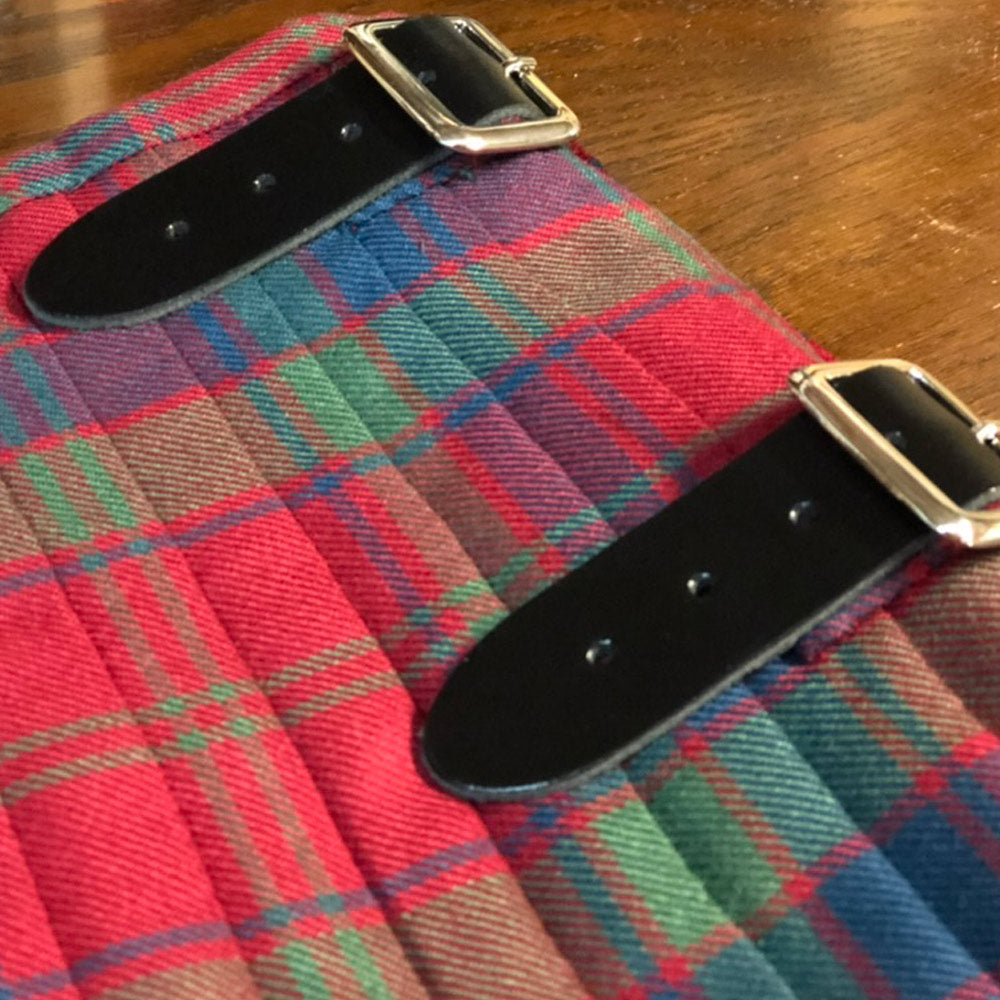
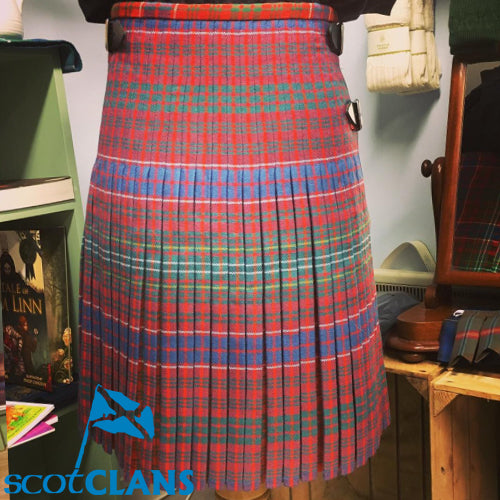
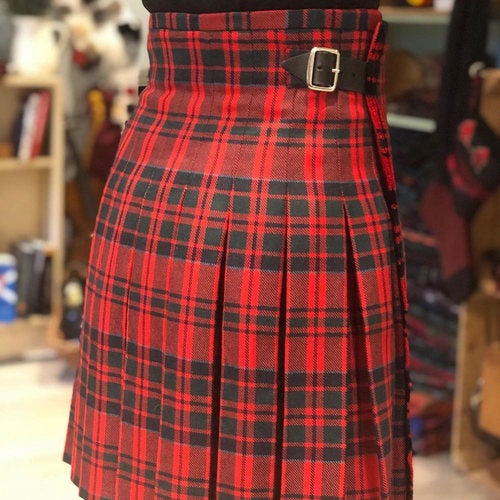
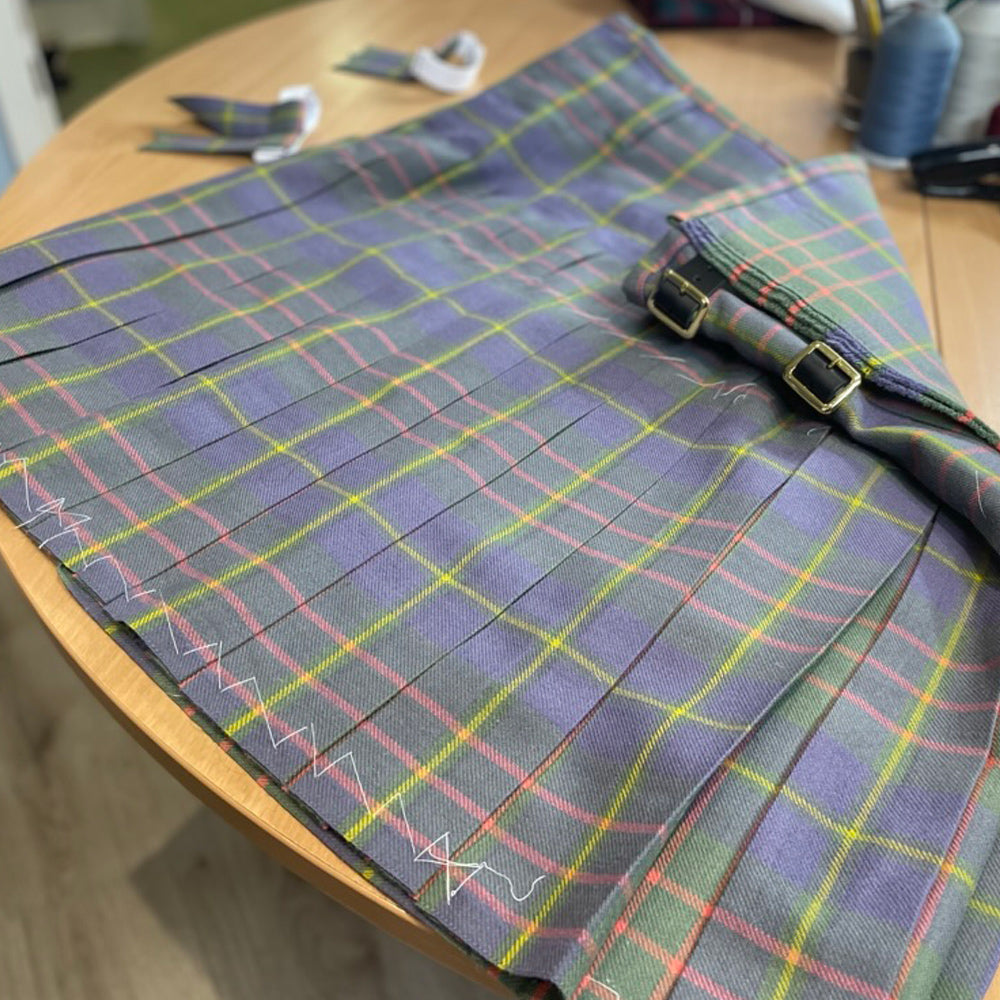
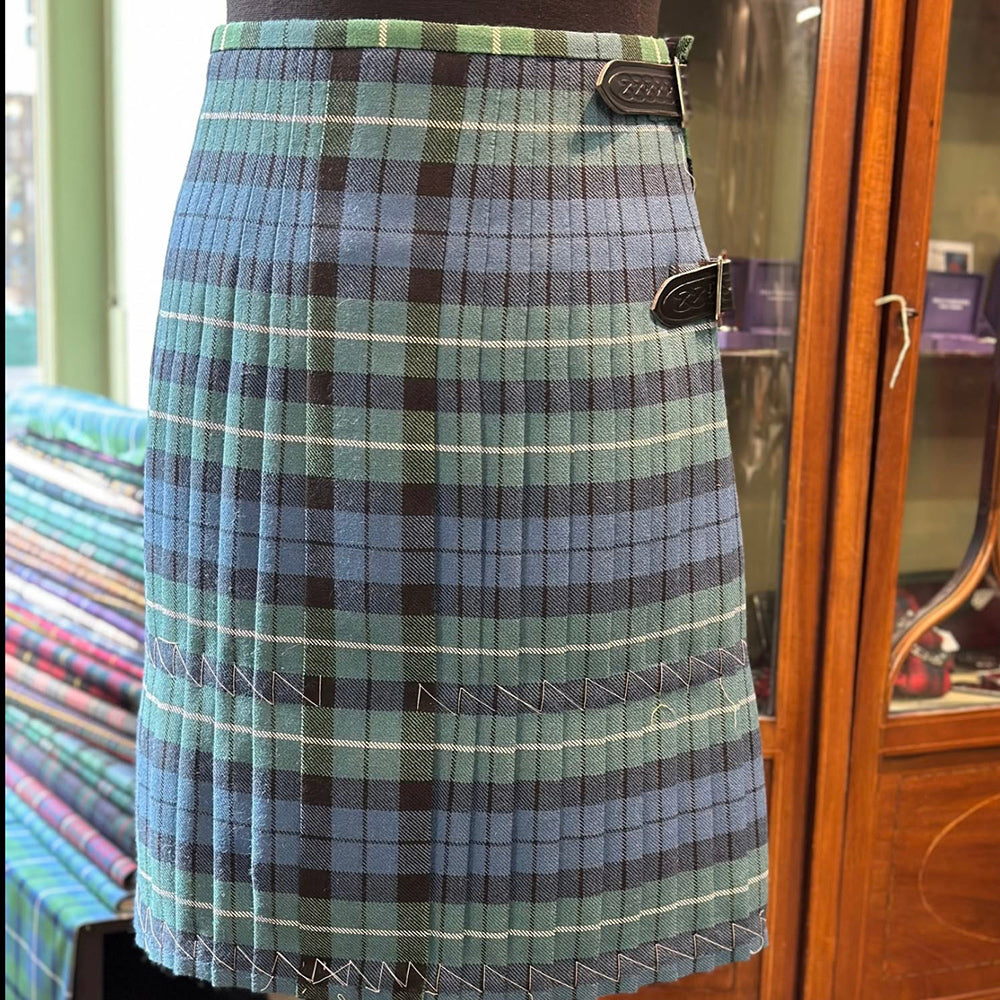
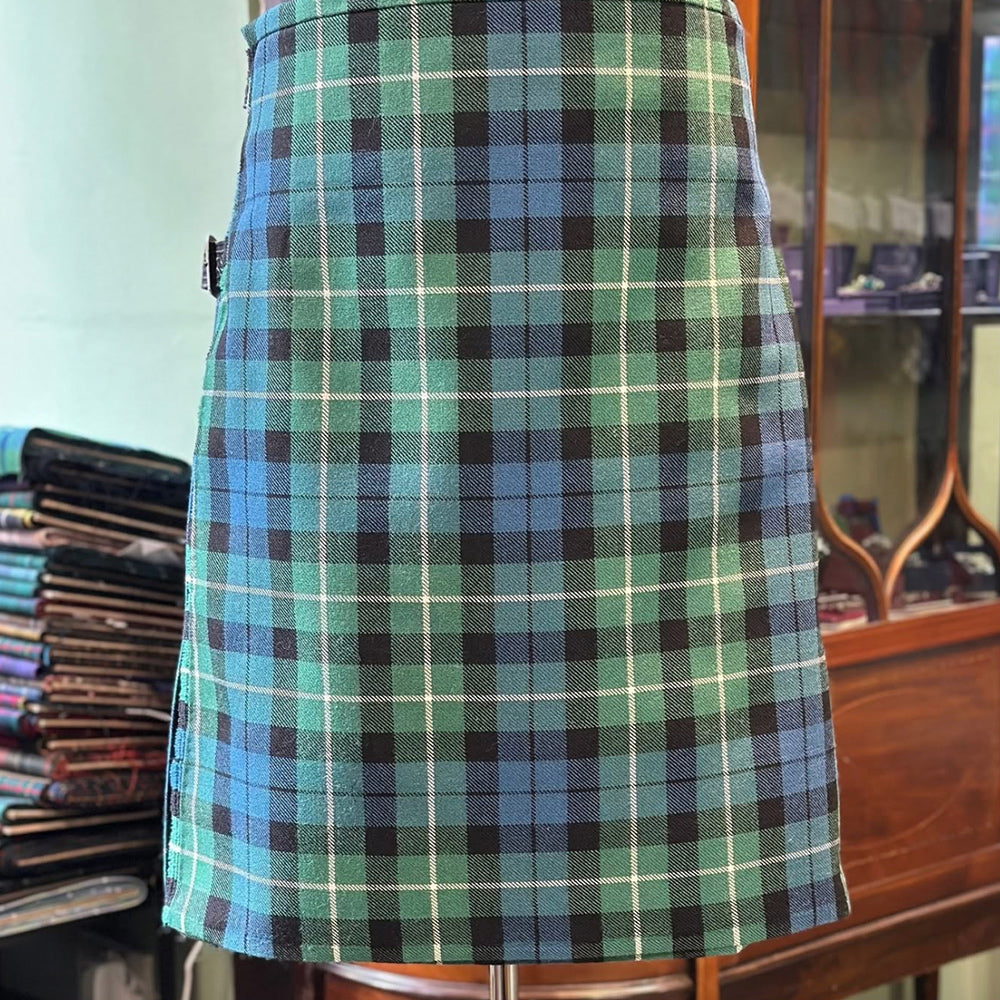
Every kilt we produce is individually hand-stitched in our workshop using traditional techniques. Unlike machine-made kilts, all of the shaping is worked into the pleats, allowing the kilt to contour naturally to the curve of your back while the aprons remain smooth and flat. This creates an exceptional fit and ensures the kicking pleat hangs perfectly straight, giving the kilt its distinctive, elegant drape.
When you buy from us, you're dealing directly with the people who will make your kilt. From your first enquiry to the finished garment, you'll receive expert advice and personal service from experienced kiltmakers who are passionate about their craft.
How to Measure for a Kilt

Knife Pleated Kilts
Heavyweight Hand Stitched Kilts
All of our kilts are traditionally hand-stitched and made in-house by our own experienced kiltmakers. Our Heavyweight Kilts are crafted using premium 16oz pure wool tartan, offering excellent drape, durability and shape. They are suitable for all body types, although we generally recommend a heavyweight kilt for larger gentlemen as it provides the best structure and fit.
The only difference between our Heavyweight Kilt options is the tartan mill they are woven by. The craftsmanship, construction and quality of the finished kilt are exactly the same, so you can simply choose the tartan collection you prefer with complete confidence.
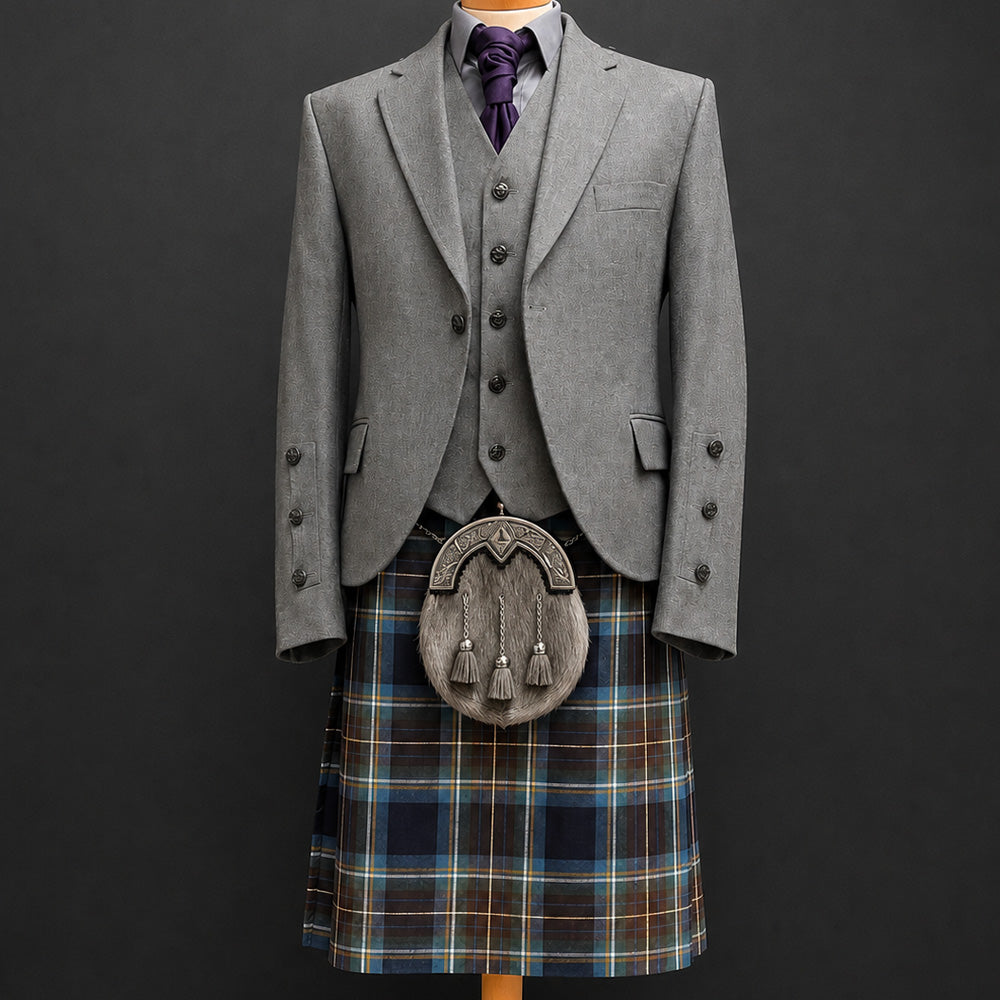
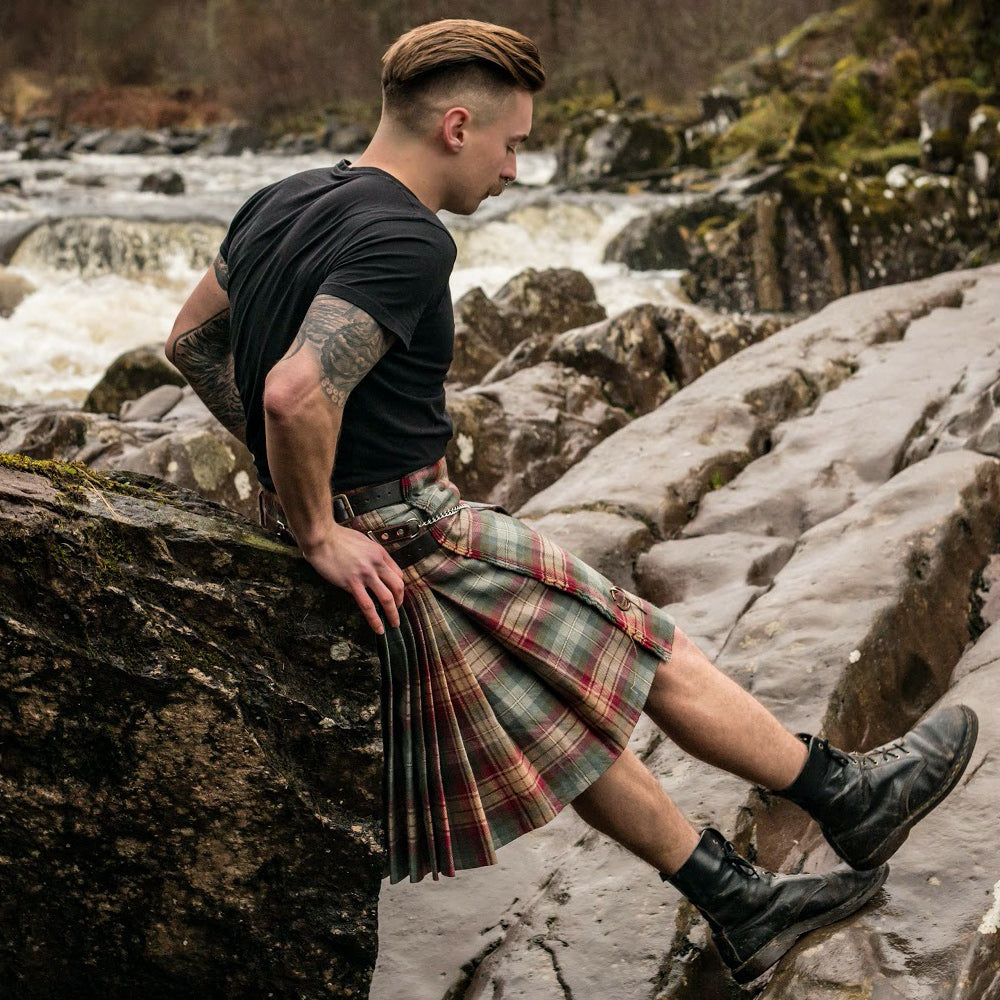
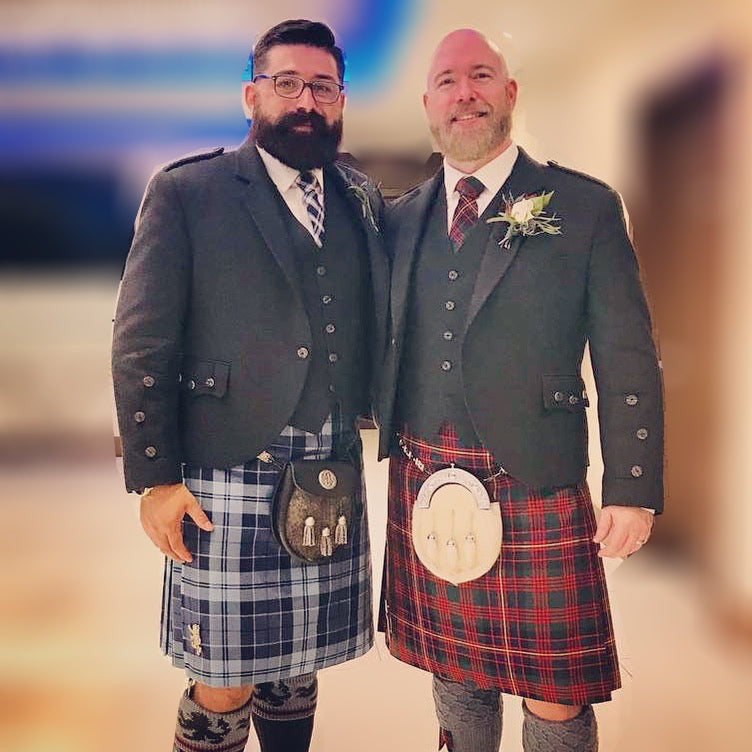
Medium Weight Hand Stitched Kilts
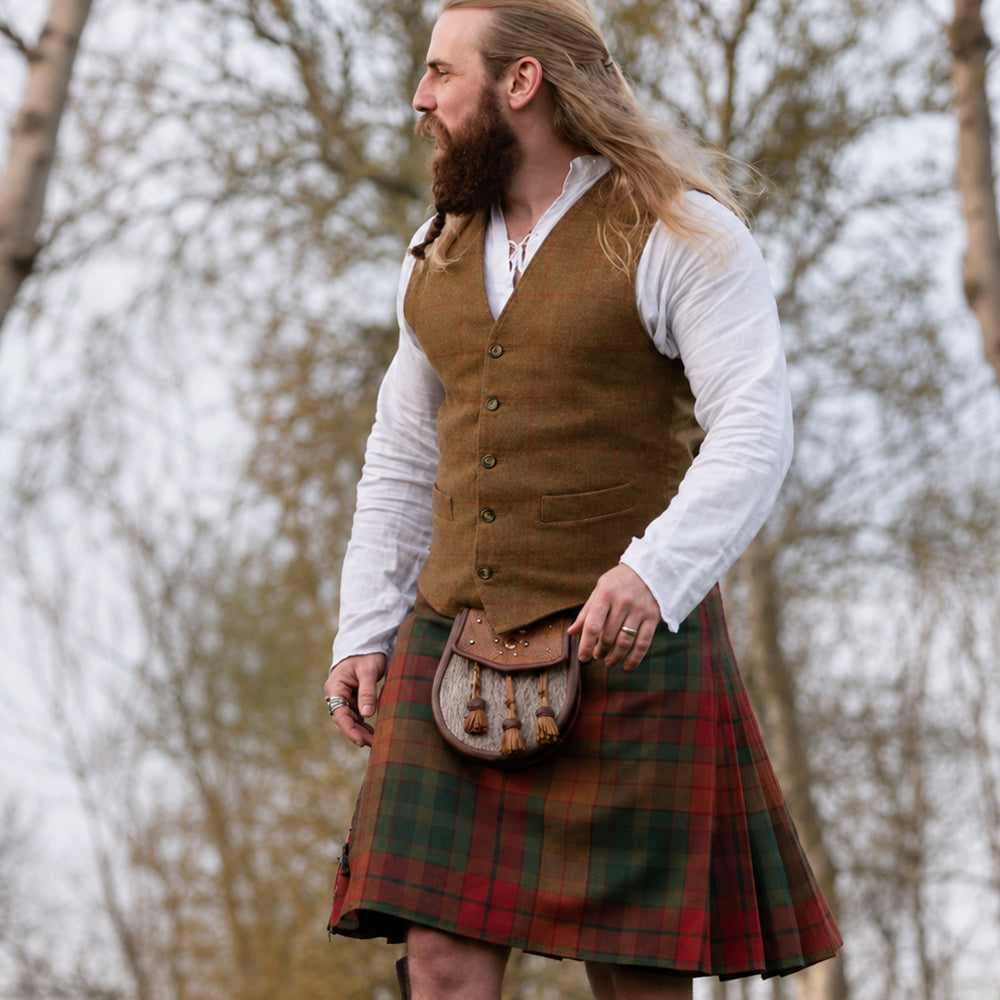
Our Medium Weight Kilts are made from 13oz pure wool tartan and are ideal for slim to average-sized gentlemen. The lighter cloth allows us to incorporate a few extra pleats, giving the kilt a fuller, more fluid swing while maintaining the traditional look and feel.
Medium weight tartans also tend to have a slightly smaller sett (the repeating tartan pattern), creating a more refined appearance. For larger gentlemen, however, we generally recommend a Heavyweight Kilt, as the heavier cloth provides better structure and drape.
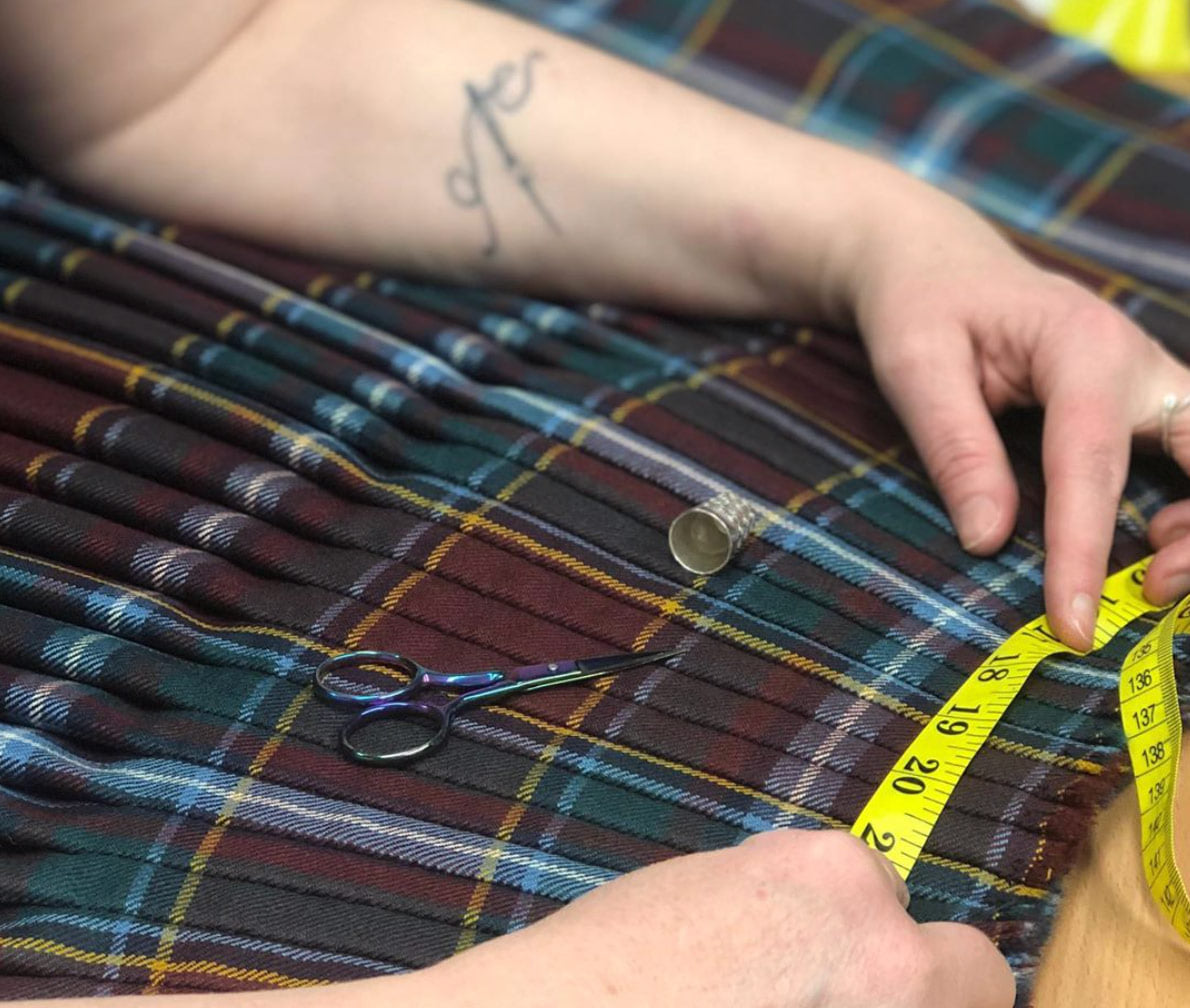

Tweed Kilts
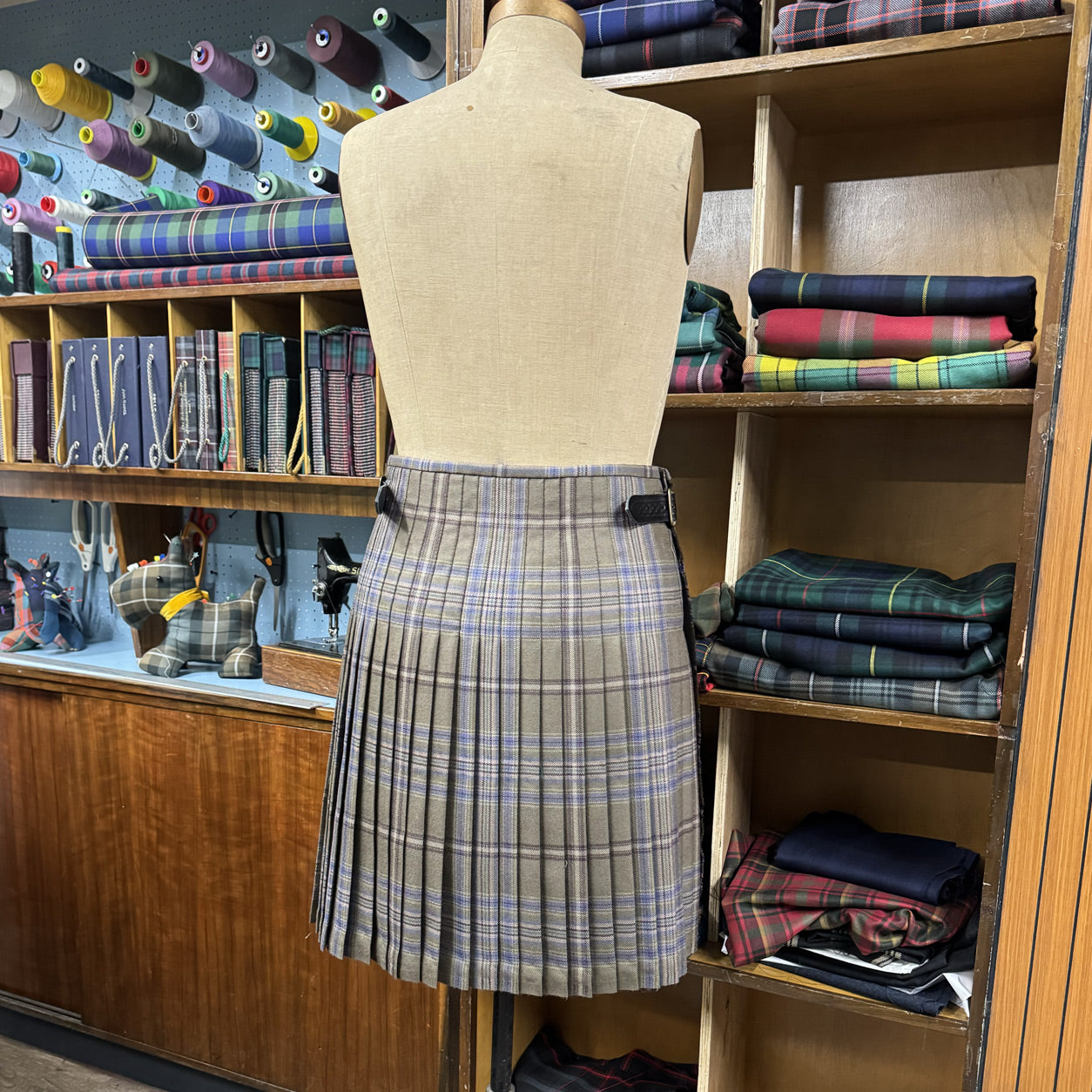
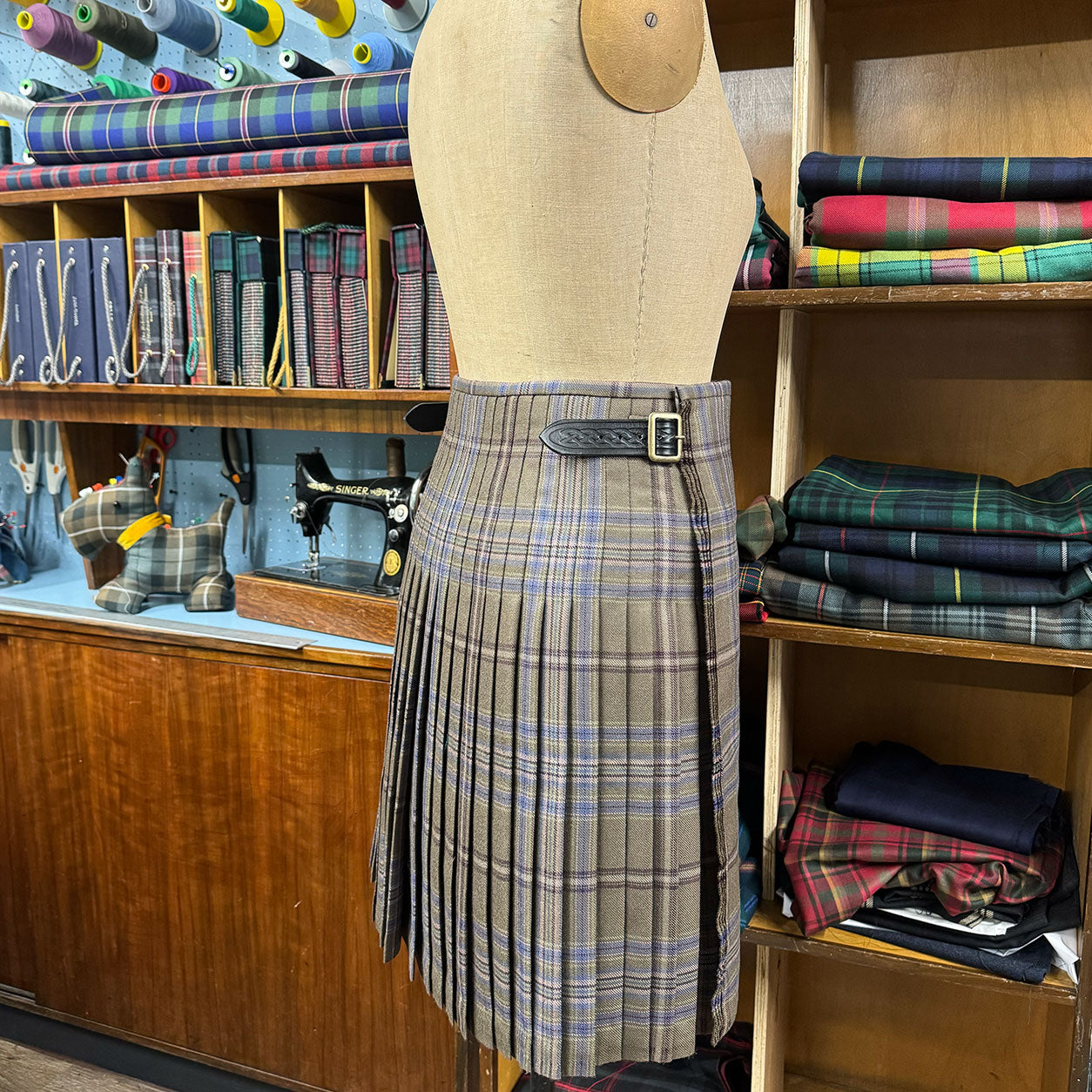
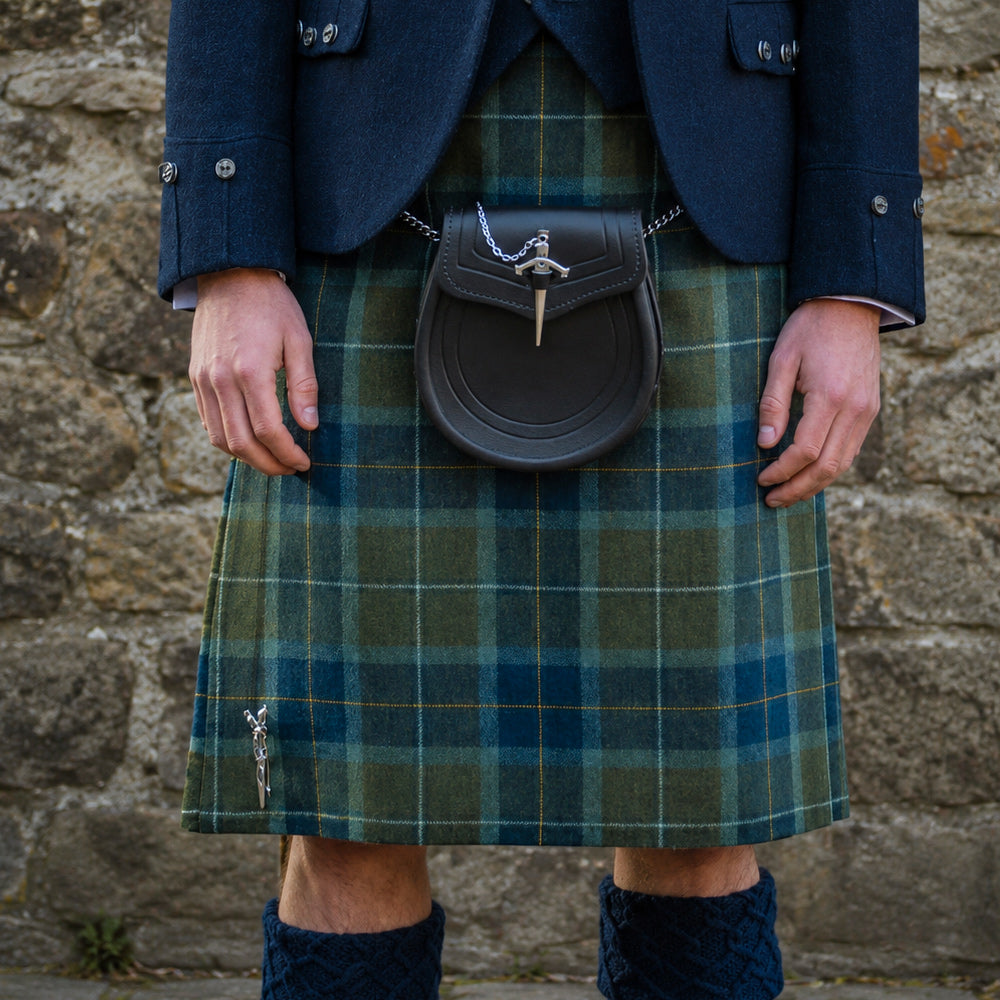
Our Tweed Kilts are made from premium 16oz heavyweight wool tweed, chosen for its exceptional quality, durability and traditional character. Every kilt is individually hand-stitched in-house by our own experienced kiltmakers, ensuring the highest standards of craftsmanship, fit and finish.


Welsh and Irish Kilts
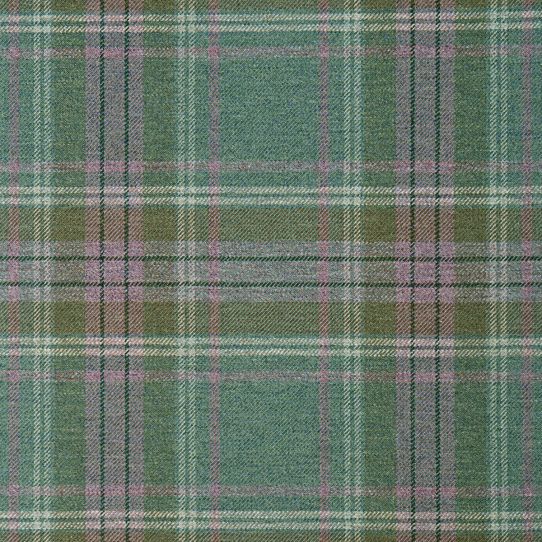
Our Welsh and Irish Kilts are both made from medium weight tartan and are traditionally hand-stitched in-house by our own experienced kiltmakers.
The Welsh tartans are woven by the Welsh Tartan Centre in Wales, while our Irish tartans are woven here in Scotland. Whichever you choose, you can be assured of the same exceptional craftsmanship, quality and attention to detail.

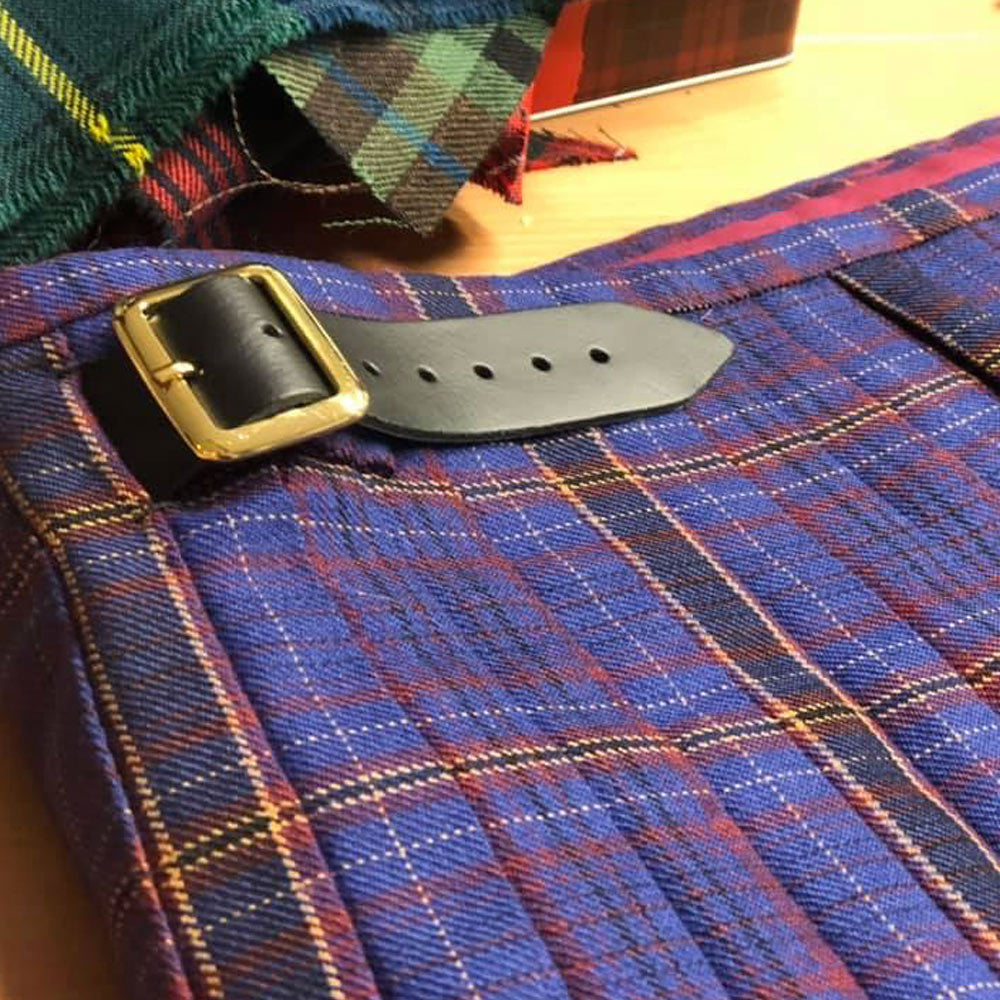
Our Alternate Pleated Kilts are based on Historical Kilts
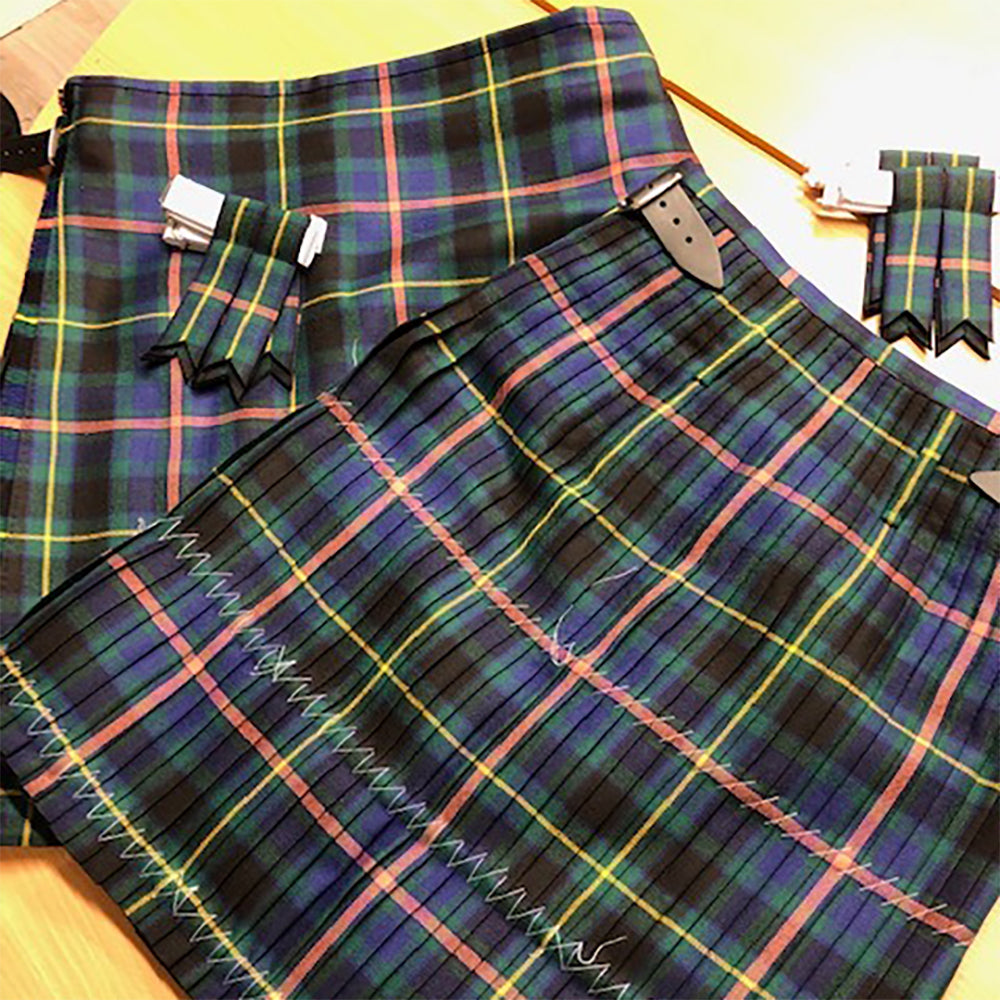
We offer a selection of traditional pleating styles, each individually hand-sewn by a single experienced kiltmaker using time-honoured techniques.
The Traditional Knife Pleat, the style most commonly seen today, became the standard military pleat with the Gordon Highlanders in 1853 and remains the classic choice for a tailored kilt.
The Tailored Kilt itself emerged during the late 18th century. The earliest examples were the Box Pleated Kilts worn by Highland regiments in the 1790s, which were typically pleated to the stripe. Pleating to the sett developed later, creating a fuller appearance and requiring additional tartan.
The origins of the Kingussie Pleat and other historic decorative pleating styles are less well documented, adding to their unique character and appeal.
Whichever pleating style you choose, every kilt is shaped through the pleats rather than the aprons. This traditional method allows the kilt to contour naturally to the curve of your back, creating the exceptional fit, elegant drape and effortless swing that our kilts are known for.
Our Alternate Pleated Kilts are based on Historical Kilts
Take a look at out alternate pleated kilts. Here you'll find a selection of pleating we are able to offer, alongside our traditional knife pleated kilts.

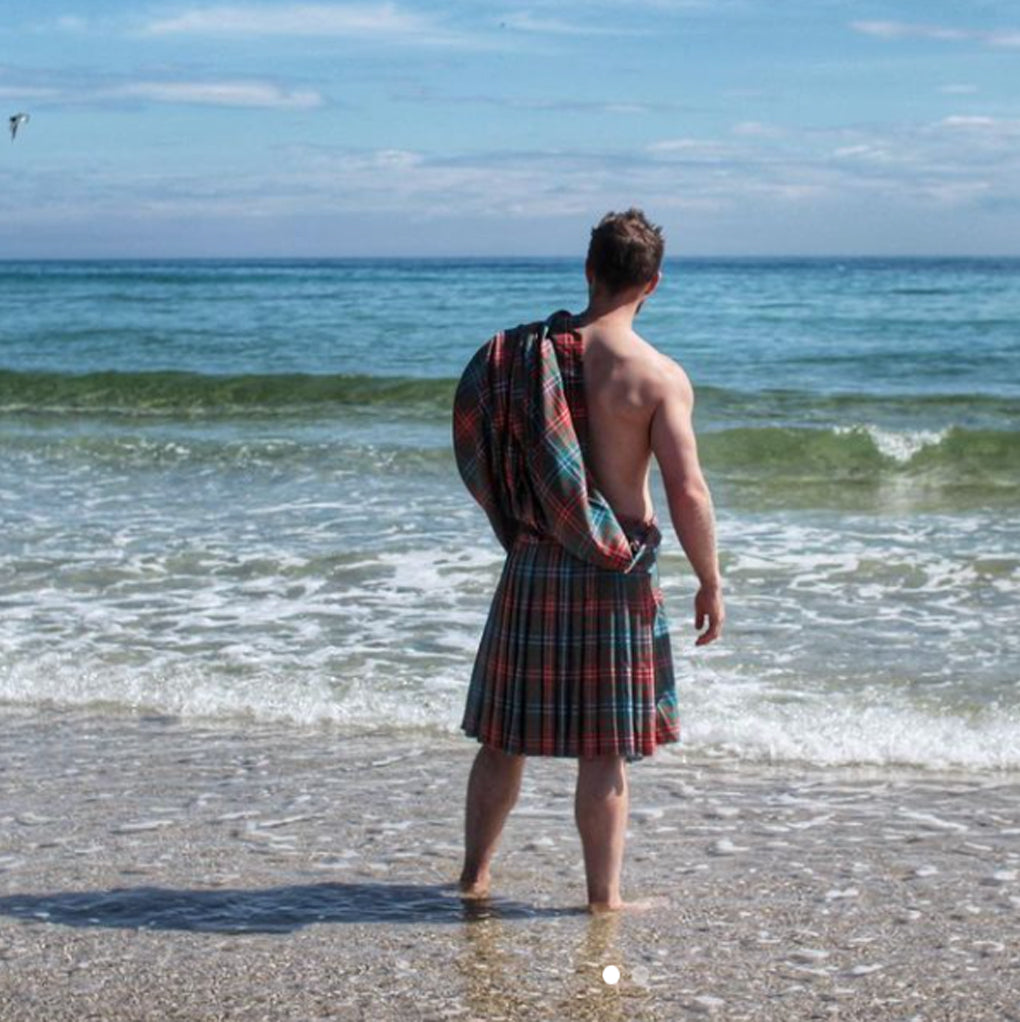
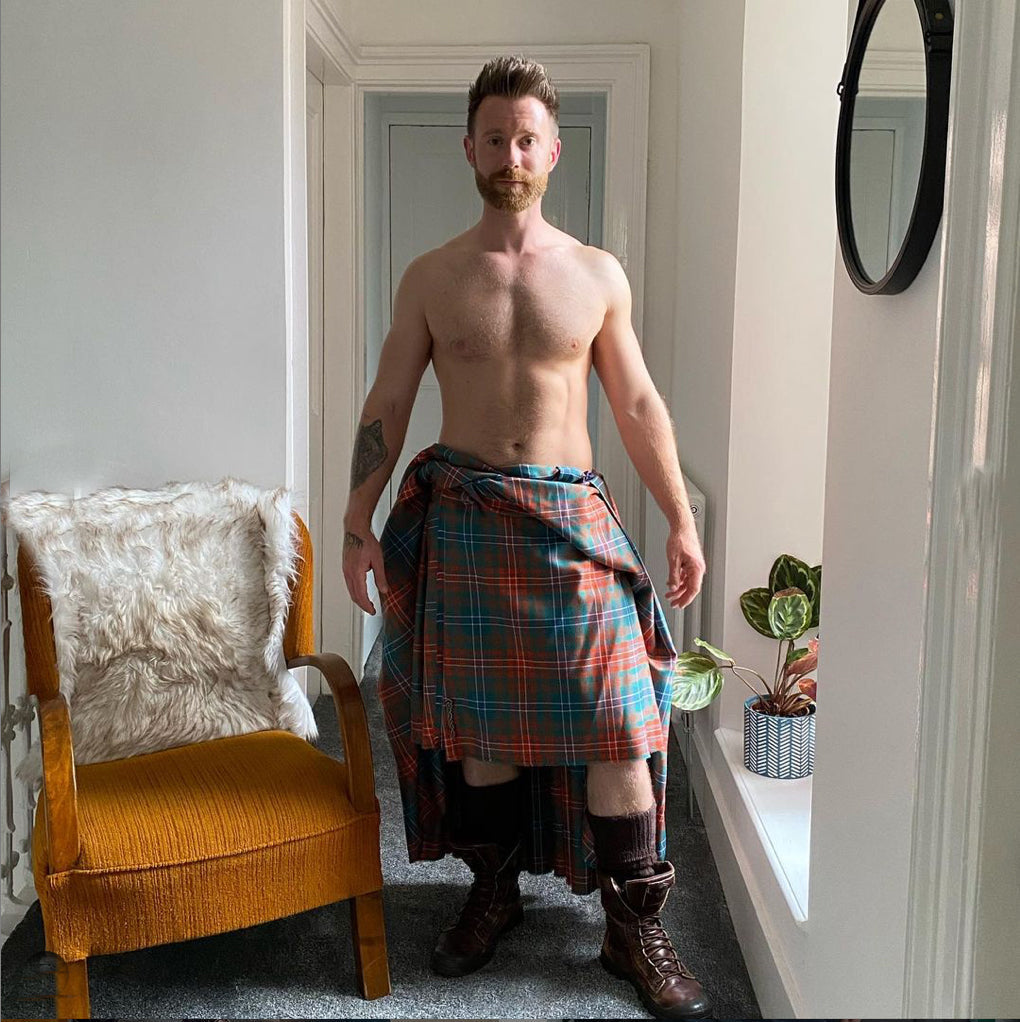
The Pleated Plaid - Designed by us and hand stitched by us
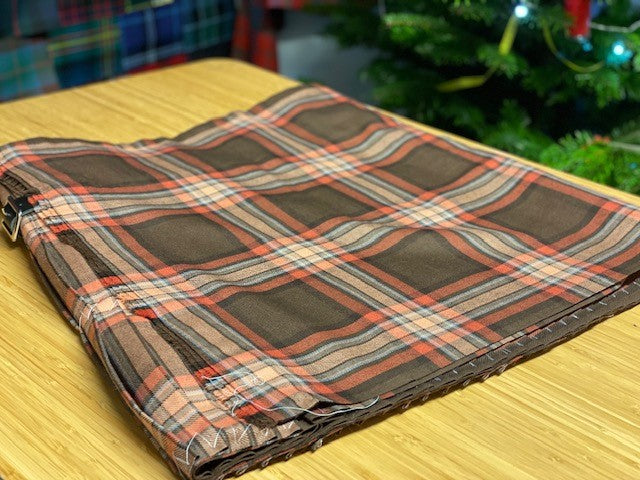
Unique to us we will make The Pleated Plaid to your measurements in your choice of tartan.
Based on the traditional Belted Plaid / Féileadh-mór we have created a pre-pleated adaption of this. This is far easier to wear that pleating the belted plaid yourself.
This is all hand stitched.
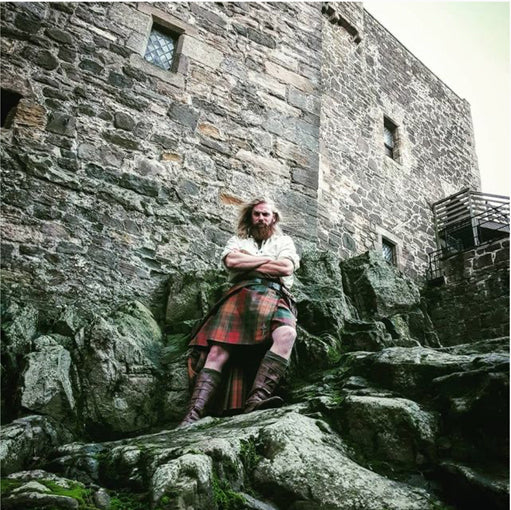

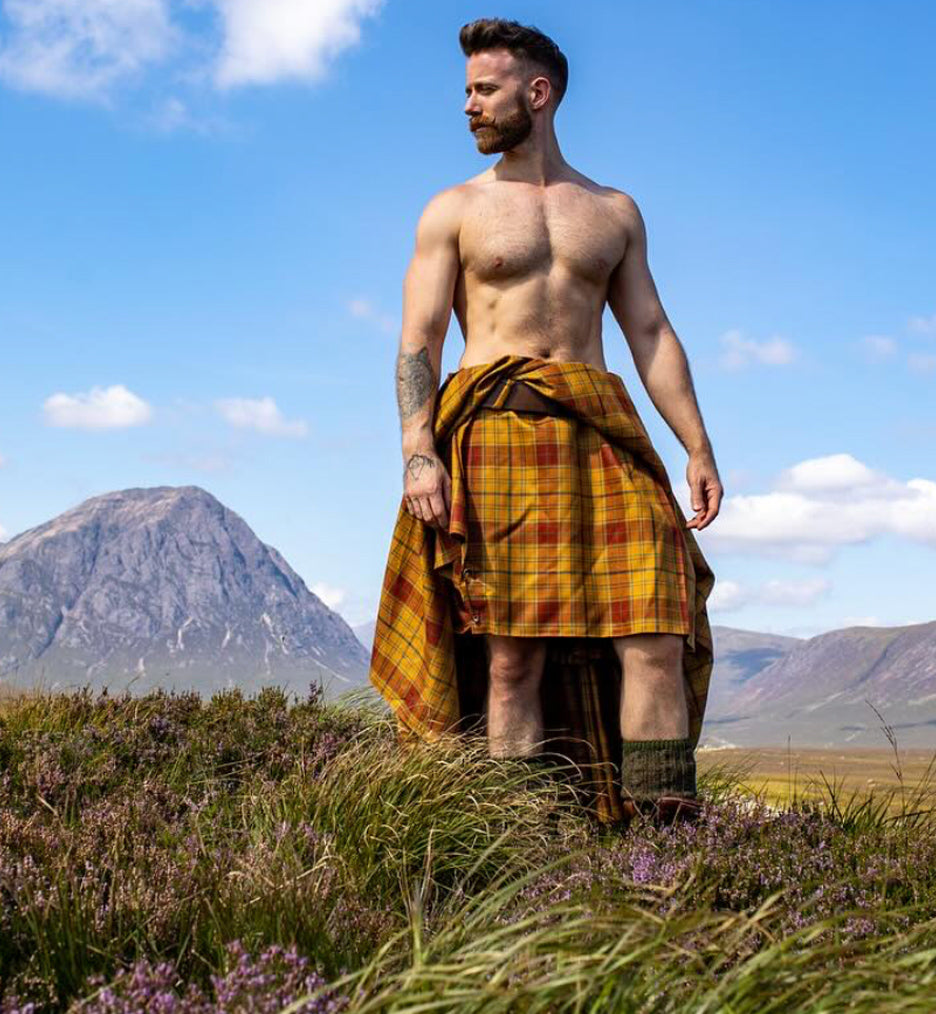
The Belted Plaid (Feileadh Mòr)
This is unsewn, 5 yards of double width cloth for you to construct your own Feileadh Mòr or Belted Plaid.
View all